Building HMX: Rethinking Online Biomedical Science Education from the Ground Up
I founded and led the development of HMX, an online learning product from Harvard Medical School. Over the last ten years, I built an interdisciplinary team, developed the product vision, and led the creation of an online learning platform and a range of unique, interactive online courses, from immunology to genetics to AI in medicine, with an emphasis on active learning and applying learning science to help people optimize their experience. I and my team grew HMX into a global educational platform used by learners in over 200 countries, including over 150 leading companies and more than 25 medical institutions worldwide. Along the way, I’ve learned a great deal about how to initiate and grow a product from the ground up, how to help our users succeed, and how to adapt and evolve as an educator and leader. I’d like to share those learnings with you.
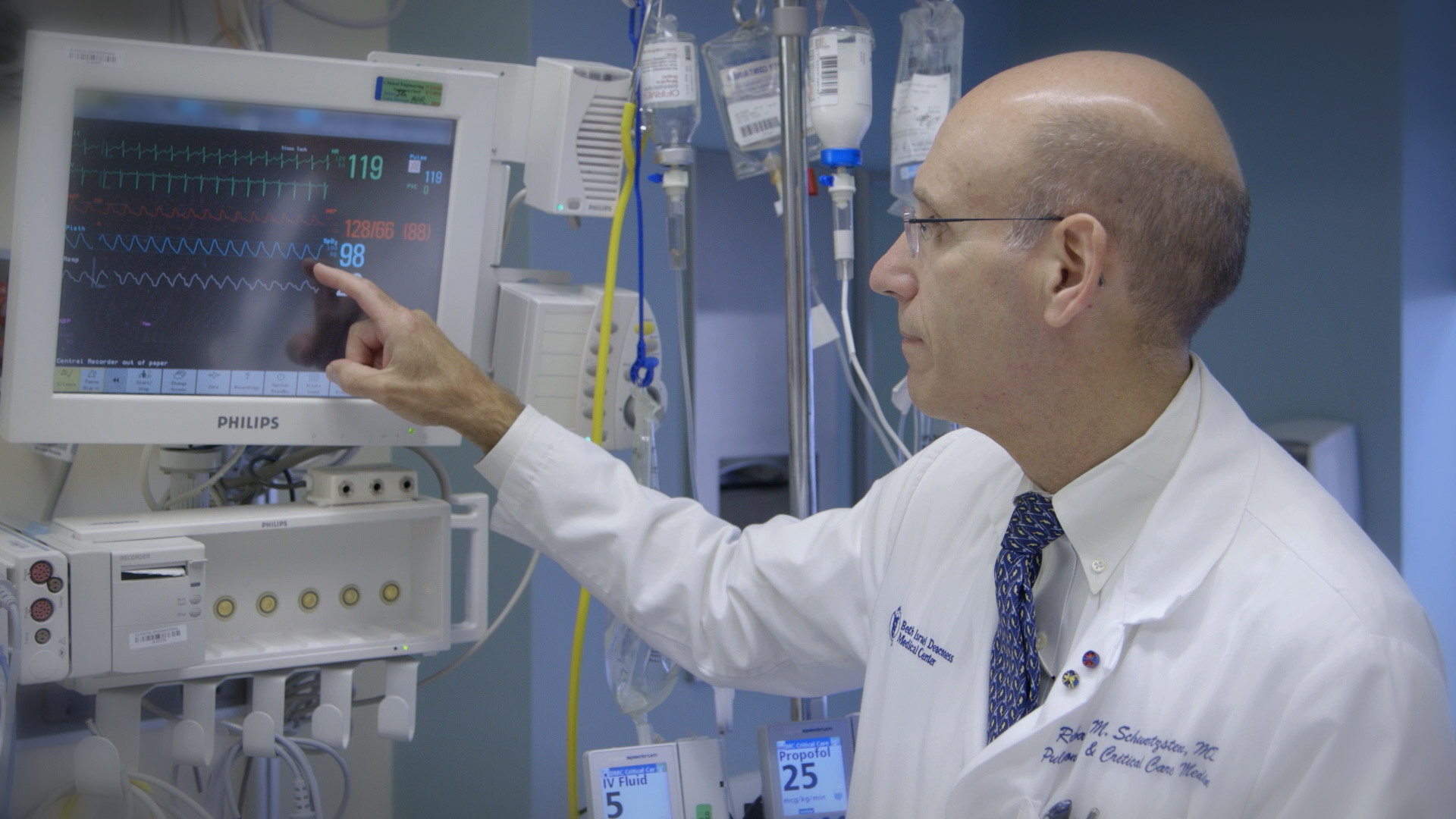
Clinical application in the ICU
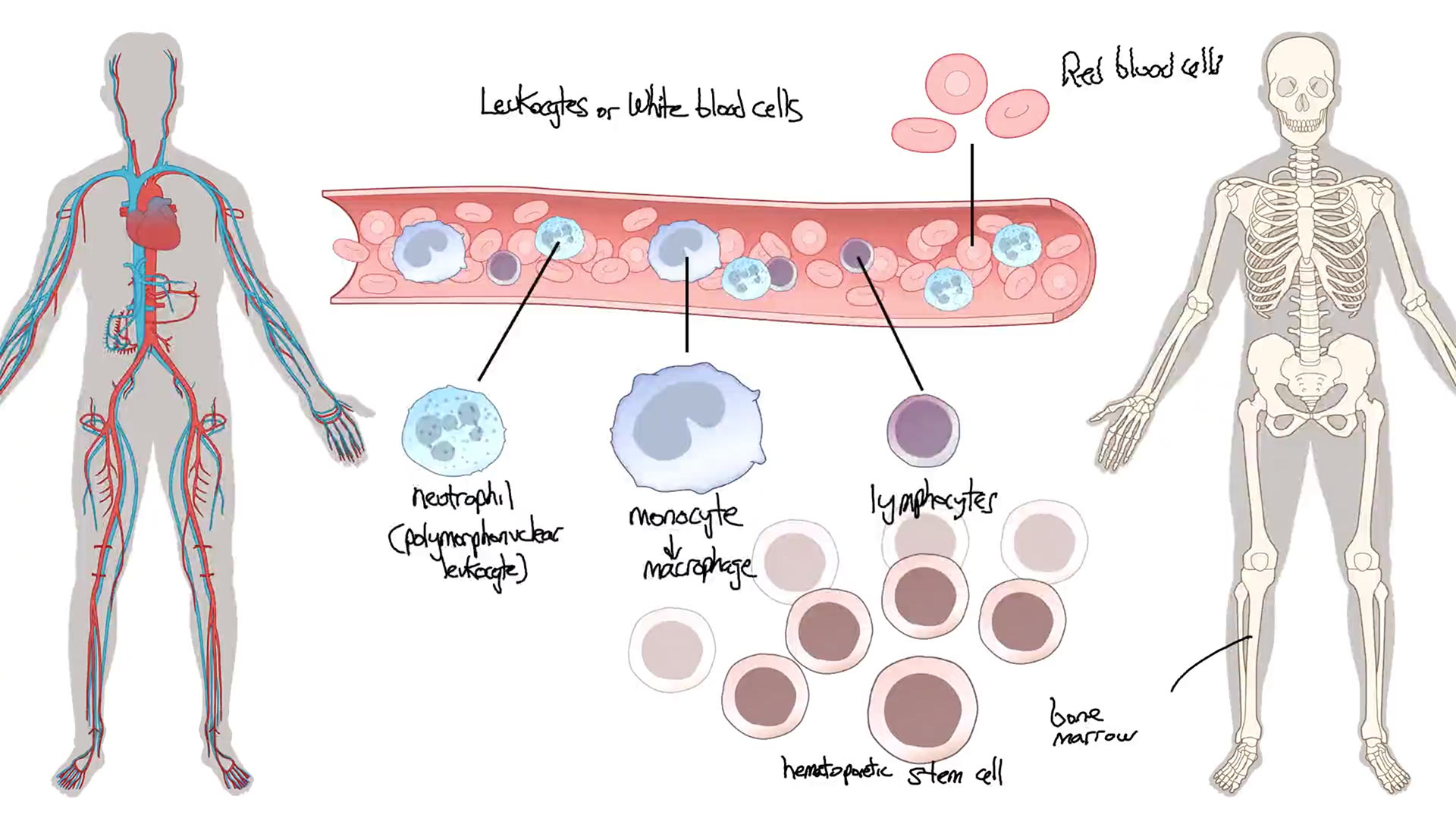
Visualization of immunology concepts
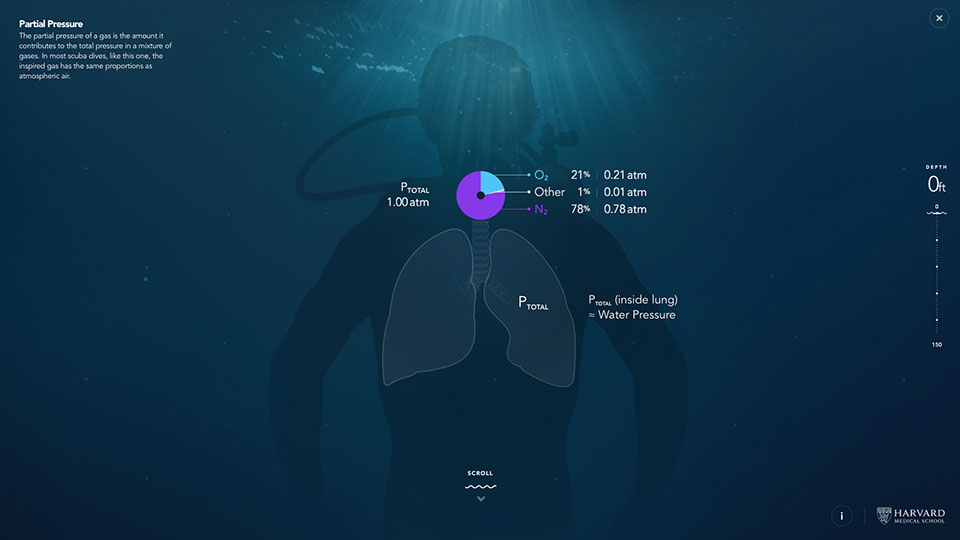
Interactively exploring physiology concepts
Our work has helped advance the goals of so many learners—from top companies and educational institutions to individual students eager to deepen their understanding. In the process, I and my team worked closely with doctors, patients, and experts to bring a variety of authentic clinical encounters to learners, while also leveraging scientific visualization, interactive learning design, and innovative storytelling techniques to make complex biomedical concepts more intuitive and engaging. HMX’s growth into a global educational platform has been fueled by a combination of key elements to create a compelling overall product experience: clinical cases that bring learners inside hospitals and operating rooms, a strategic focus on challenging areas like immunology, genetics, and AI in medicine, a highly integrated team of content experts, learner operations and support specialists, illustrators, and technologists, and a robust technical infrastructure that helps us understand how people learn. But it all started with a clear vision of what online biomedical education could be.
The Vision: A Different Type of Learning Experience
The vision I developed was grounded in a product-driven approach—building an experience that would be impossible in a traditional classroom while ensuring scalability and adaptability to diverse learner needs. While biomedical science can often seem abstract and disconnected from practice, I saw an opportunity to transform this perception by showing learners how fundamental scientific concepts directly impact patient care. This meant creating authentic clinical experiences where we could demonstrate these connections in action.
This vision manifested most powerfully in our authentic clinical experiences. We spent many hours in ICUs, operating rooms, chemotherapy units, and other clinical settings working with incredibly generous patients and clinicians who allowed us to capture their stories and interactions. Sometimes it took months just to get the permissions and coordination right for a single filming session. But these investments paid off in important ways—watching learners have those “aha moments” as they connected molecular mechanisms to clinical outcomes became one of the indicators that we were on the right track.
Beyond clinical experiences, we treated our learning modules as a product—iterating on making complex concepts intuitive through scientific visualization and careful learning design. Each course followed a deliberate narrative arc, using interactive simulations and carefully crafted sequences to build understanding step by step. We developed approaches to break down difficult concepts into digestible pieces while maintaining scientific rigor, combining insights from learning science with innovative storytelling techniques to keep learners engaged and progressing.
Choosing Our Path
We focused initially on areas like immunology, genetics, and pharmacology/therapeutics—topics that weren’t just challenging for students but were becoming increasingly central to modern medicine. This wasn’t a random choice; it came from careful observation of where students struggled most and where the future of medicine was heading.
As we built out these initial areas and launched our first courses, I kept a careful eye on our user analytics and feedback. It was clear that our courses resonated particularly well with professionals in life sciences and healthcare technology—from startups to global leaders like Google, Moderna, and Novartis. These organizations needed their teams to develop deep scientific understanding combined with practical context. This insight led us to develop our “Pro” courses—shorter but deeper modules that would let someone build on their foundational knowledge to master specialized topics like immuno-oncology or vaccine science. I established our core “topic verticals” in immunology, genetics, and pharmacology/therapeutics, areas where we aimed to be the definitive learning resource for both individual learners and organizations worldwide.
This pattern of identifying emerging needs and adapting our approach led me to another critical “vertical” around 2020: AI in medicine. Having personally led our use of AI/ML for analysis of learning data over time, I was closely attuned to this area and saw AI in medicine emerging as another topic where people would have a strong need for deeper understanding. Our experience working with companies and professionals gave us unique insights into how to structure content about AI in healthcare in a way that would resonate with our technical audience while maintaining clinical relevance.
Building a Highly Integrated Team
One of my most consequential early decisions was embedding full-time content experts within the team. This went against the conventional wisdom of using generalists to work with faculty in building courses, but I had learned from experience that we needed people who could both understand complex medical concepts and create engaging educational content to move at a fast enough pace and drive things forward. Having post-doc level content experts who were skilled faculty and experts in pedagogy and pairing them with other world-class domain experts proved to be a critical unlock, allowing us to move quickly and build a unique experience without compromising either learning or engagement.
Our recruitment practices were also key, with task-based assessments for all roles and rubrics that helped us judge candidates. On the content side, I specifically sought out versatile experts—people who not only knew science but were resourceful enough to have picked up other skills like coding or data analysis. This approach created a unique culture where technical skills and medical knowledge could cross-pollinate effectively, leading to innovations in how we presented complex concepts.
I also viewed other aspects of the team as equally critical to our customer experience. By fostering a culture where ops, tech, marketing, art, video, and content teams deeply understood each other’s work, we created an environment where innovation could come from any direction. Our experience internally on the team was very much the opposite of “siloed.” All of this led to an end-to-end customer experience that was far more than simply delivering high quality content.
The Technical Foundation
Behind the scenes, we were building something more than just a content delivery platform. I spent considerable time collaborating on architecting our technical infrastructure and wrote much of the initial codebase for our grading and analysis systems. This wasn’t just about delivering content—it was about realizing my vision for understanding how people learn at a granular level.
Our technical architecture allowed us to track learning patterns in unprecedented detail—from how students engaged with course videos over time to which quiz questions most effectively assessed and reinforced difficult concepts. For example, we discovered that learners engaged with our videos over multiple viewing sessions, challenging the previously held concept that learners don’t watch videos beyond about six minutes in duration. These kinds of insights continuously fed back into our content development process.
Looking Forward
Building HMX taught me that true innovation in education requires more than just good content or sophisticated technology—it requires rethinking the entire learning experience from first principles. We succeeded not because of any single innovation, but because we integrated multiple elements—technical, educational, and operational—into a coherent whole. Today, with learners around the world, we’ve shown that this approach to biomedical science education can scale while maintaining its effectiveness and impact.
As we’ve reached a critical mass of data, I’ve focused more on the research side, working to unlock deeper insights into how people learn complex scientific concepts. This work is revealing patterns that challenge traditional assumptions about biomedical science education—from how learners engage with multimedia content to how they build connections between basic science and clinical applications. The future of biomedical education lies not just in delivering content, but in understanding and adapting to how each person learns best—a challenge that continues to drive our innovation forward.